
What are small strong magnets?
Small strong magnets are:
- much stronger than other magnets
- ball shaped or round
- about the size of a small bead – a few millimetres wide
- often shiny or colourful.
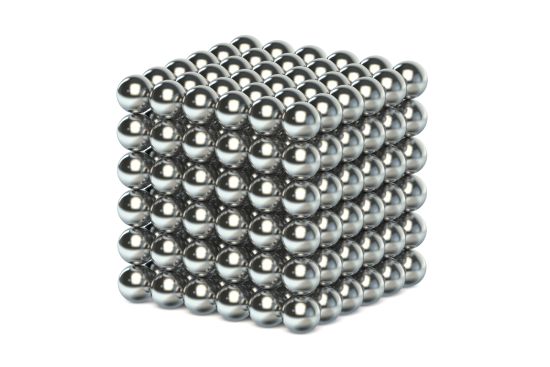
Magnets come in many shapes and sizes. If you’re not sure whether a small magnet is a small strong magnet, it’s best to treat it like it is.
What products contain small strong magnets?
Small strong magnets are often in or attached to toys, including:
- magnetic letters, numbers and figures
- magnetic blocks, tiles and balls
- magnetic puzzles and games
- desk items or toys
- fidget toys, like fidget spinners or spinner bases.
These magnets might also be in costume jewellery or magnetic facial jewellery, especially fake facial piercings.
What are the risks of small strong magnets for kids?
If your child puts small strong magnets into their nose or ear, the magnets can cause injury inside the nose or ear.
If your child puts these magnets into their mouth or swallows them, these are the main risks:
- Choking – this is when a child’s airway gets blocked. Any object smaller than a 20-cent coin can cause choking.
- Serious internal injury – these magnets can attract each other through the intestine walls. This can block the intestines, pierce the intestines or cause infection, which can be life-threatening.
Babies, toddlers and young children are most at risk of putting magnets into their ears, noses or mouths. But some children, including children with additional needs, might also be at risk as they get older. This means that it’s important to follow magnet safety advice no matter your child’s age.
How can you keep your child safe from small strong magnets?
Here’s how to keep your child safe and prevent injuries from small strong magnets:
- Keep loose magnets in a sealed, child-resistant steel container. Store magnets and items that contain them up high and out of sight and reach of children under 3 years.
- Get rid of any small strong magnets, items with loose magnets, and damaged toys that have magnets.
- If you need to buy magnet toys, check the label or packaging to make sure they’re appropriate for your child’s age and developmental stage. Also make sure the magnets are securely enclosed and too big to fit in your child’s mouth.
- Make sure that any toys and jewellery you buy meet Australian safety standards. If you’re unsure, you can contact the Australian Competition and Consumer Commission (ACCC).
- If your child is under 14 years old, always supervise them when they’re playing with magnetic toys or using magnetic gadgets.
- If your child is curious about magnetic jewellery, explain why magnets can be dangerous. For example, ‘It’s safest not to wear magnetic lip rings. If you swallow them, they can seriously harm your insides’.
How do you know if your child has swallowed a small strong magnet?
If your child swallows a small strong magnet, signs or symptoms might not appear right away. Sometimes they won’t appear for hours or even days.
Signs that your child might have swallowed a small strong magnet
- Gagging or choking
- Drooling or difficulty swallowing
- Sore throat
- Tummy pain or cramps
- Nausea
- Vomiting
What should you do if your child has inserted or swallowed a small strong magnet?
Your child has a small strong magnet in the nose, ear, mouth or other body opening
- If your child is choking or struggling to breathe, immediately call 000 for an ambulance and start choking first aid for babies or choking first aid for children and teenagers.
- If your child isn’t showing any signs, call the Poisons Information Centre on 131 126 for advice and go to your nearest health service or hospital.
Your child has swallowed a small strong magnet
- Don’t try to remove the magnet yourself.
- Don’t encourage your child to vomit.
- Don’t let your child eat or drink anything until you get medical advice.
When your child gets to the nearest health service or hospital, a nurse will do a quick medical check. After that, a doctor or nurse practitioner will assess your child.
The doctor or nurse practitioner might order an X-ray to find out how many magnets your child has swallowed and where they are in your child’s body.
The type of medical treatment and management that your child needs depends on the location of the magnets.
If you think your child has swallowed a magnet, get medical attention immediately, even if your child seems well.
How do you safely dispose of small strong magnets?
Here’s what to do if you have small strong magnets in your home:
- Avoid crushing or smashing the magnets, because this can create sparks and be a fire risk.
- Put the magnets in a sealed steel container, like an old biscuit or coffee tin, before you get rid of them.
- Keep the container out of sight and reach of children under 3 years, preferably up high in a locked cupboard.
- Contact your local council or recycling centre to check for safe magnet recycling or disposal options.
What is the Australian law about small strong magnets?
Australia has a permanent ban on selling or supplying certain toys and jewellery that contain separate or loose small strong magnets.
If you’re not sure whether a product is banned, visit Product Safety – Small high-powered magnets ban or contact the Australian Competition and Consumer Commission (ACCC).
Small strong magnets can still be found in toys, jewellery and other products that are:
- made and sold in other countries
- made in other countries and sold online.
If you’re buying a product in another country or online, check whether it meets Australian safety standards. If you’re not sure, you can contact the ACCC.
Other names for small strong magnets
Small strong magnets are sometimes called:
- small powerful magnets
- neodymium magnets
- mini magnets
- super magnets
- NdFeb magnets.