
You at 37 weeks pregnant: sleep difficulties and other symptoms
Sleep difficulties
It’s common to have trouble sleeping.
You probably need to go to the toilet several times a night, and your baby’s movements might be keeping you awake too. Sleep and rest when you can during the day.
Sleep on your side when you can to reduce your risk of stillbirth. You can sleep on either side. It’s OK if you wake up during the night on your back. Just roll over to sleep on your side again.
Vaginal discharge
You might notice a bit more vaginal discharge around now. Vaginal discharge is usually clear, white or creamy in colour and doesn’t have a strong scent. It shouldn’t be smelly, brown or green or make you feel itchy or sore. If it is, it’s a good idea to see your doctor or midwife.
What if your waters break?
If you think your waters have broken or you notice any other signs of labour, call your midwife, doctor or hospital straight away.
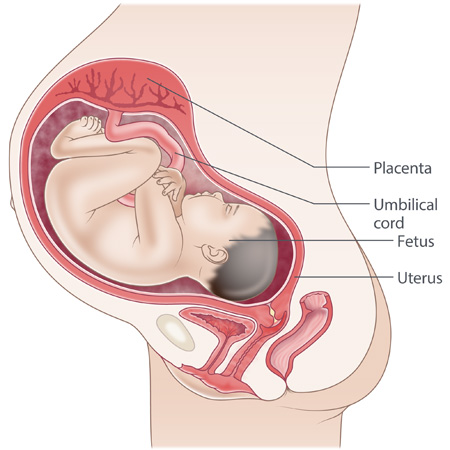
Your baby when you’re 37 weeks pregnant
How big is your baby at 37 weeks?
Your baby looks a lot like a newborn at this stage.
Your baby:
- measures about 35 cm from head to bottom
- weighs around 3 kg and is getting steadily heavier.
What’s happening with your baby’s development at 37 weeks?
Your baby:
- has a firm hand grip
- does hiccups that you can really feel – like little jumps in your belly.
If you can, try to find time to treat yourself and do things that you enjoy in the last few weeks of pregnancy. This might be time to read, catch up with friends, have dinner with your partner or someone special, have a pregnancy massage and so on.
Things to be aware of: signs of antenatal anxiety or depression
Every now and then, you or your partner might have days when you feel flat or irritable. That’s OK.
But if you’re more than a bit teary or you feel sad, anxious or ‘flat’ for more than 2 weeks, it might be a sign of antenatal anxiety or antenatal depression.
These conditions can get in the way of your daily life. If you feel like you’re not coping or you’re worrying about how you’ll cope after your baby is born, it’s important to talk to someone you trust.
You could talk to a friend, your partner, or your doctor or midwife. You could also call Lifeline on 131 114, Beyond Blue on 1300 224 636 or PANDA on 1300 726 306.