
You at 29 weeks pregnant: sleep difficulties and other symptoms
You might be uncomfortable lying in bed. If you are, sit up slightly, lie on your side, and put a pillow under your stomach. You can also put a pillow between your legs and behind your back to ease or prevent back pain.
What position should you sleep in?
It’s safest to sleep on your side when you’re pregnant, especially now that you’re in the third trimester. Side sleeping reduces the risk of stillbirth.
You can sleep on either side. It’s OK if you wake up during the night on your back. Just roll back onto your side.
Our Pregnancy for partners section has tips and information for your partner, if you have one. It covers essential topics like antenatal classes, relationships and feelings, wellbeing, birth support and early parenting.
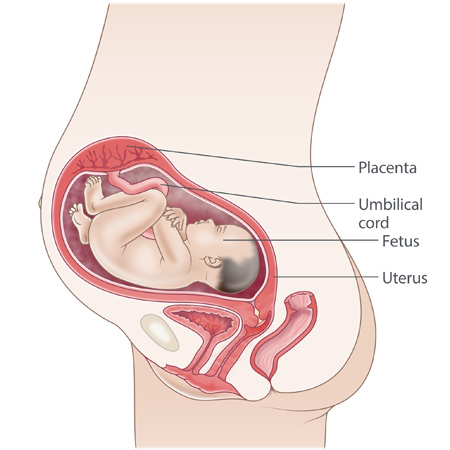
Your baby at 29 weeks of pregnancy
How big is your baby at 29 weeks?
Your baby is about 26 cm from head to bottom and weighs about 1.15 kg.
What’s happening with your baby’s development at 29 weeks?
Your baby:
- will put on a lot of weight between now and about 38 weeks
- has organs that are almost all functioning well
- has started to produce red blood cells in their bone marrow
- is practising breathing more consistently now – in and out in a regular rhythm.
Things to think about at 29 weeks: staying active
Although you might be feeling slower and less energetic, physical activity is still important. It will help you prepare for and recover from birth. Before you start anything new, or if you have any concerns about exercise or staying active, check with your doctor or midwife.
You might enjoy swimming or aqua exercise during pregnancy because it takes the weight off your legs and feet. Check with the instructor about suitable movements and swimming styles. You might also like to try pregnancy yoga or Pilates.
Vaccinations at this stage of pregnancy
If you haven’t already had your vaccinations against whooping cough, respiratory syncytial virus (RSV) and the flu, talk to your doctor or midwife. In Australia these vaccinations are free for pregnant women.
If you haven’t already, consider booking into antenatal classes. These classes have detailed information to help you and your birth partner get ready for pregnancy, labour, birth, breastfeeding and early parenting. You can ask your doctor or midwife for more information.