
You at 26 weeks pregnant: backache and blood type
Symptoms to be aware of
You might be experiencing:
- backache
- Braxton Hicks contractions
- vivid dreams.
Your weight and movement
You’re gaining weight, and your centre of gravity has shifted.
This can sometimes make you feel a bit clumsy as you get used to doing things and lifting things in different ways. The way you walk might change slightly too.
Your Rh type
You might already know your Rh type from a routine blood test earlier in your pregnancy. If not, it’s important to find out. If you’re Rh-negative and your baby turns out to be Rh-positive, this is OK for this baby. But it might cause serious health problems in any babies you have in future.
But no-one knows what your baby’s blood type is until after birth. So if you’re Rh-negative, you’ll be offered a special injection called Anti-D at your 26-28 week antenatal appointment and your 34-36 week appointment.
You’ll also be offered Anti-D if you have bleeding during pregnancy. This reduces the risk of health problems for future babies.
After your baby is born, blood is collected from your baby’s umbilical cord and the Rh type is checked. You’ll be offered another Anti-D injection if your baby is Rh-positive.
Ask your midwife or doctor for more information.
You might want only female health professionals to care for you during pregnancy, labour and birth. You can ask for a female midwife or doctor, but it might not be possible to have one – especially if you or your baby needs urgent or specialised medical attention.
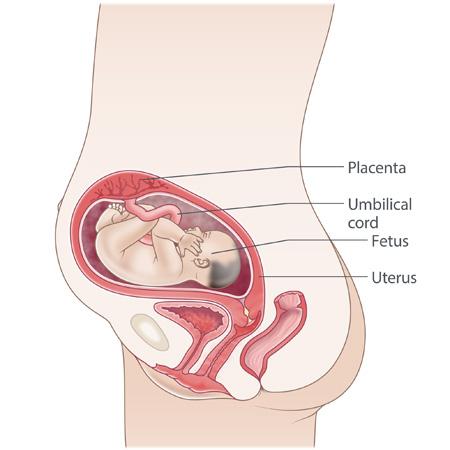
Your baby at 26 weeks of pregnancy
How big is your baby at 26 weeks?
Your baby measures about 23 cm from head to bottom and weighs around 820 g.
What’s happening with your baby’s development at 26 weeks?
Your baby:
- can hear, see and taste
- might move in response if you firmly run your hand over your belly
- starts growing a lot of fat and muscle from about now.