
You at 22 weeks pregnant: your bump and pregnancy symptoms
Your bump
Your lovely round bump really starts to show at 22 weeks, and you might be feeling very excited about being pregnant.
Maternity clothes or comfortable clothes might be a good idea if your usual clothes don’t fit anymore.
Tell your doctor or midwife if you have any worries about your baby or the size of your bump – they can help to reassure you.
Symptoms and health problems
Some of the less pleasant side effects of pregnancy might be kicking in for you now:
- backache
- aching hips, especially when you’re lying down at night
- leg and foot cramps
- swollen ankles at the end of the day
- varicose veins, if you’re prone to them
- constipation and haemorrhoids.
Most of these pregnancy health problems can be managed quite well – ask your doctor or midwife for information.
If haemorrhoids are bothering you with itching or burning, increase the fibre in your diet and drink more water. It’s also a good idea to do more light to moderate exercise. This is because exercise can help to reduce constipation, which makes haemorrhoids worse. Also discuss the problem with your doctor or midwife, who might be able to suggest a treatment.
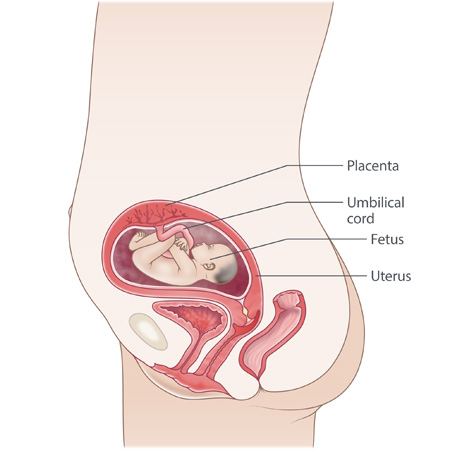
Your baby when you’re 22 weeks pregnant
How big is your baby at 22 weeks?
Your baby is about 19 cm from head to bottom and weighs around 460 g.
What’s happening with your baby’s development at 22 weeks?
- Your baby’s inner ear is adult size.
- The retinas of your baby’s eyes are fully developed.
- Your baby is moving around a lot, because there’s still plenty of room.
- Your baby’s preferred position is probably ‘transverse’ – lying across your tummy – but they’ll be changing position all the time.
Things to think about at 22 weeks: stress and pregnancy
Some stress in pregnancy is normal, but severe stress or stress that goes on for a long time isn’t good for you or your baby.
Stressful events like relationship break-ups, financial concerns and family violence can affect your pregnancy and wellbeing. If you feel very stressed, talk with your doctor or midwife at your pregnancy appointments or call Lifeline on 131 114 or Beyond Blue on 1300 224 636. You could also discuss the things you could be stressed about with someone you trust.
How to reduce the effects of stress in pregnancy
To reduce the effects of stress, you could try learning more about the first few months with your new baby.
You can learn by:
- going to antenatal classes
- talking to your doctor or midwife
- sharing information with your partner, family or friends
- looking at the information on this website
- calling the Pregnancy, Birth and Baby hotline on 1800 882 436.
Recommendations at 22 weeks: antenatal classes
Antenatal classes offer detailed information to help you and your birth partner get ready for the later stages of pregnancy, labour, birth, breastfeeding and early parenting.
Even if you’ve done a lot of research online or talked to others, at antenatal classes you can talk to an expert (usually a midwife) about your questions and concerns. Antenatal classes are also a great chance to meet other expectant parents.
You can usually do antenatal classes over several weeks on weeknights, or you might have the option of doing a weekend class. Classes can fill up quickly, so ask your doctor or midwife about making a booking in early pregnancy.
Classes might include a tour of the maternity unit.
Some antenatal classes are free, and you have to pay for others.
Many hospitals offer specific classes, like active birth, hypnobirth and calm birth. You can also do classes in a community setting or at home. If you’re interested, ask your doctor or midwife for more information.