
You at 14 weeks pregnant: signs and symptoms
It’s common to find that this is the most comfortable and energetic time of your pregnancy.
Key physical changes
- Morning sickness usually eases off now.
- Your breasts are starting to make colostrum.
- Small skin tags might appear underneath your breasts. They’re nothing to worry about, but you can discuss them with your doctor or midwife if they’re bothering you.
When will your baby bump start to show?
Your baby bump is likely to ‘pop out’ at around 14 weeks of pregnancy.
If you’re not confident speaking English, ask for an interpreter at your pregnancy appointments. If one isn’t available in person, ask whether you can have a phone interpreter. You don’t have to pay to use an interpreter. You might also be able to get help from a multicultural health worker to do things like book or check your appointments, fill out forms and get transport to your appointments. Ask whether there’s a multicultural health worker available.
Your baby at 14 weeks of pregnancy
How big is your baby at 14 weeks of pregnancy?
Your baby is about 8.5 cm from head to bottom and weighs about 45 g.
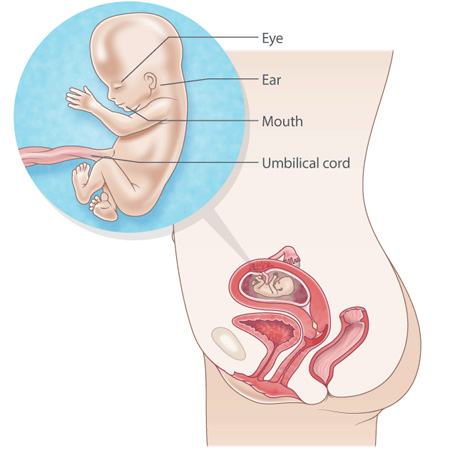
What does your baby look like at 14 weeks of pregnancy?
Your baby is looking more baby-like all the time. Their face looks much more recognisable now, and their neck is longer.
Your baby’s reflexes are working too. If you touched your baby’s hands or feet, they would close or curl.
Our Pregnancy for partners section has tips and information for your partner, if you have one. It covers essential topics like antenatal classes, relationships and feelings, wellbeing, birth support and early parenting.
Things to think about at 14 weeks: staying active in pregnancy
Staying active can help you feel better during pregnancy. It can
- improve mood, fitness and sleep
- boost energy
- ease back pain.
Along with healthy eating, physical activity during pregnancy might also reduce your risk of gestational diabetes, pre-eclampsia and too much weight gain. It can also help you get or stay strong for the birth.
What are good ways to stay active in pregnancy?
Walking is a great form of exercise. To get yourself motivated, you could ask your partner or a friend to go for a 30-minute walk with you. If you’re feeling tired or nauseous, you might want to go a shorter distance or try again the next day.
Ask your doctor or midwife if you’re unsure about exercise during pregnancy.