
About meningitis
Meningitis is an infection and inflammation of the meninges, which is the delicate membrane around the brain and spinal cord.
Meningitis is caused by bacteria or a virus getting into the spinal fluid of the brain and spinal cord, usually through the bloodstream. The bacteria or virus then infects the meninges.
Sometimes meningitis can happen as a complication of other infections like measles or chickenpox.
Newborns are particularly vulnerable to bacterial meningitis. Children are less likely to get bacterial meningitis as they get older.
Meningitis is a medical emergency and needs immediate treatment. If you think your child might have meningitis, take them to the nearest hospital emergency department or call 000 for an ambulance straight away.
Meningitis symptoms
Babies and younger children
Babies and younger children might:
- be less interested in feeding or not want to feed at all
- be irritable
- be more sleepy than usual
- have a fever, vomiting, seizures or a bulging fontanelle.
If your very young child is unwell for no obvious reason, doctors will check for meningitis.
Older children
Older children might:
- complain of feeling generally unwell
- have nausea or a fever
- feel tired or more sleepy than usual
- not feel as hungry as usual or avoid eating altogether.
Later symptoms include headache, a sore and stiff neck, vomiting and seizures. Children might not be able to look at bright lights, or they might ask for the room to be dark.
All ages
There might be a rash that doesn’t disappear if you press on it. The rash can look like red or purple spots on the skin. This rash happens with meningitis caused by the bacteria meningococcus.
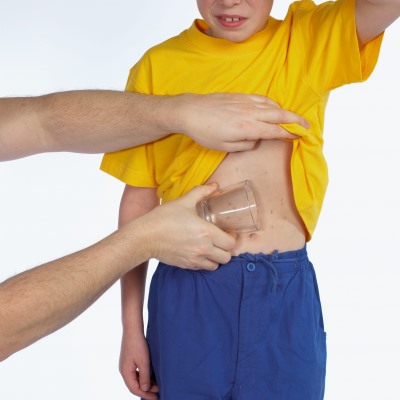
Medical help: when to get it for children with meningitis
You should take your child to the nearest emergency department or call 000 for an ambulance straight away if they:
- have an unexplained fever and are generally unwell
- complain of a persistent headache or sore neck with a fever
- avoid bright lights or say bright light hurts their eyes
- have a seizure or unusual body movements.
You know your child best. If your child seems unwell, seek urgent medical attention.
Tests for meningitis
If the doctors at the hospital think there’s a possibility of meningitis, they’ll do blood tests and a lumbar puncture on your child. This will confirm the diagnosis and work out which bacteria or virus has caused the infection.
Children with complications might also need an MRI scan.
Treatment for meningitis
Most children with meningitis need to go to the hospital for treatment and observation.
Bacterial meningitis
If your child has bacterial meningitis, they’ll need to have antibiotics put into one of their veins through a drip. If your child is very unwell, this treatment might start before doctors do a lumbar puncture.
Children with bacterial meningitis usually make a complete recovery if it’s diagnosed early and treatment starts straight away.
If diagnosis and treatment are delayed, there’s a greater chance of permanent difficulties like deafness or hearing loss, intellectual disability, epilepsy and movement disorders.
Viral meningitis
There’s usually no specific treatment for viral meningitis, but treating the symptoms and observing for any complications is very important.
After your child comes home from the hospital, you’ll need to get them to drink plenty of fluids and take paracetamol or ibuprofen to help with pain and fever if they’re uncomfortable.
Most children with viral meningitis recover completely.
Don’t give aspirin to children under 12 years unless it’s prescribed by a doctor. Aspirin can increase the risk of Reye’s syndrome, a rare but potentially deadly condition. If you’re giving your child any over-the-counter medicines, check with your pharmacist or doctor to make sure these have no aspirin.
Prevention of meningitis
Immunisation protects your child from some of the bacteria and viruses that cause meningitis. This includes bacteria like Haemophilus influenzae, pneumococcus and meningococcus and viruses like measles and chickenpox.
The Australian National Immunisation Program (NIP) provides free immunisation against many of these bacteria and viruses. Your child might be able to get additional vaccines, depending on their age. Talk to your GP to find out more.
If your child has bacterial meningitis, family and others in close contact with your child might need to take antibiotics to stop the disease from spreading. This will depend on the bacteria causing the meningitis.