
Washing hands and having a bath
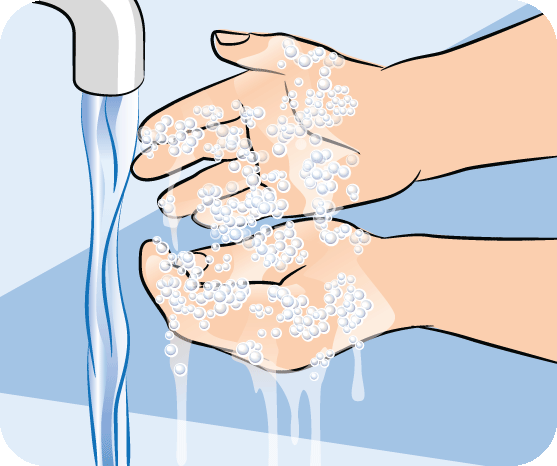
Hand-washing stops the spread of germs. Teach your child to wash hands after sneezing, coughing or blowing noses, before touching food, after toileting, after being in public places, and after being near sick people.
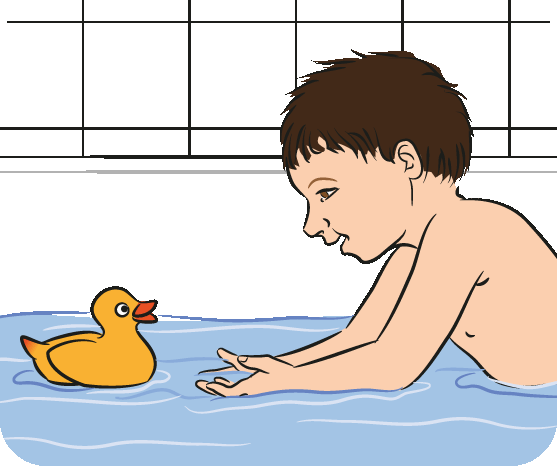
Regular baths or showers keep your child clean and healthy. Bathing at the end of the day can also be part of a bedtime routine. Make the bath fun with games and toys. Never leave your child alone in the bath.
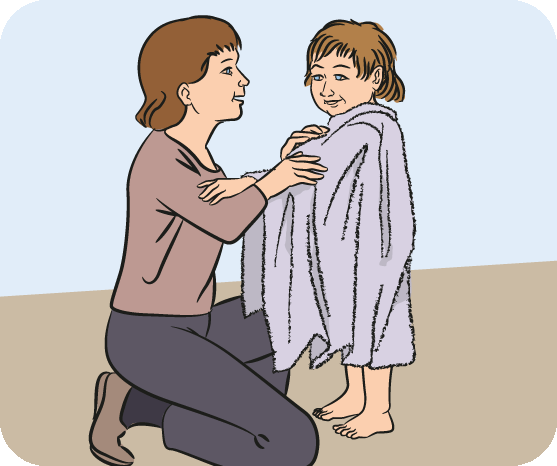
After bathing, gently rub your child dry with a towel or flannel. Dry all over your child’s body. Drying before getting dressed can help to prevent rashes. In warmer weather, your child can air-dry before dressing.
Cleaning genitals and toileting
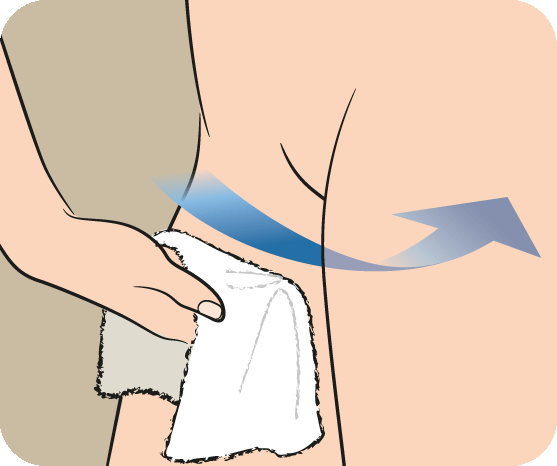
Wash your child’s vulva gently in the bath or shower. Wash from front to back to reduce the risk of urinary tract infections. The vagina cleans itself – don’t put anything in it.
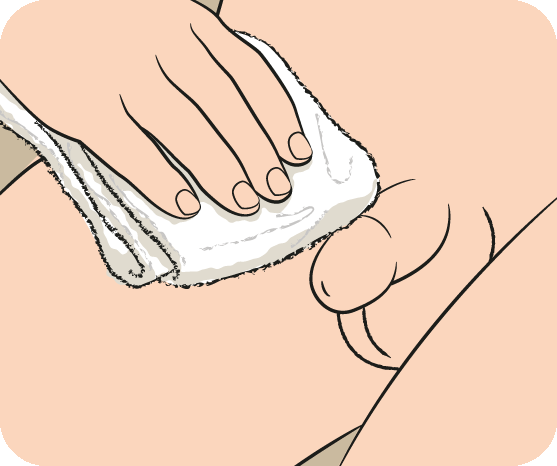
Wash your child’s penis and scrotum the way you wash other body parts. Teach your child to regularly clean their penis tip. Avoid cleaning inside the foreskin until it pulls back easily.
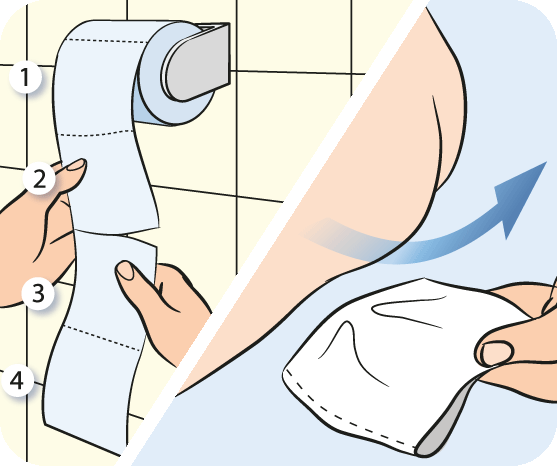
Teach your child to wipe their bottom with toilet paper. You might have to help with wiping to start. Show how much paper to use by counting squares. Your child should always wipe from front to back.
Cleaning teeth and nose
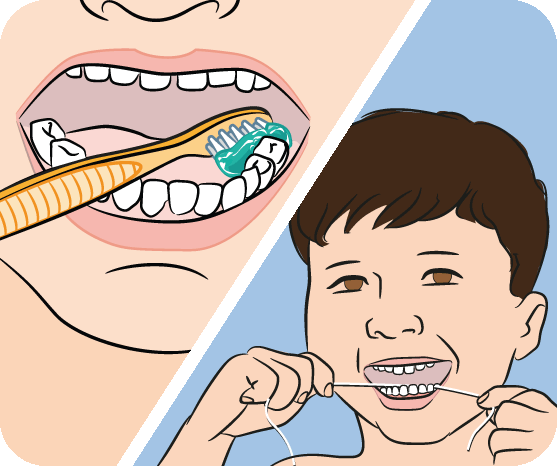
Brush teeth twice a day, once in the morning and once before bed. Speak with your dentist about whether your child needs to floss teeth.
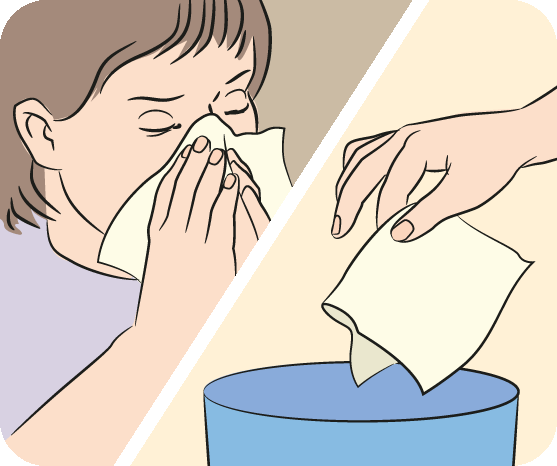
Your child should blow their nose gently when it’s blocked – this makes breathing easier. Put used tissues in the bin. Wash hands after blowing.
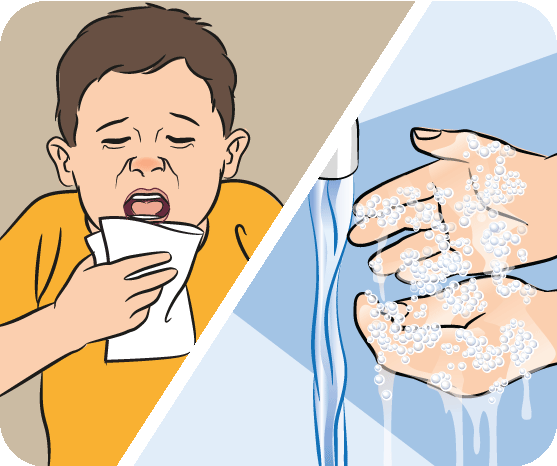
Teach your child to cover their nose and mouth with a tissue, sleeve or elbow when sneezing or coughing. Put used tissues in the bin. Wash hands after sneezing or coughing.