
About glandular fever
Glandular fever or infectious mononucleosis is caused by Epstein-Barr virus.
Epstein-Barr virus spreads from person to person through saliva. That’s why glandular fever is sometimes called ‘kissing disease’.
Epstein-Barr virus is a very common virus. Most adults have been infected. Once you’ve had glandular fever, it’s unlikely that you’ll get it again.
Symptoms of glandular fever
Symptoms usually start to appear 4-6 weeks after infection with Epstein-Barr virus.
Young children with glandular fever can have very few or no obvious symptoms. Only half of older children with the virus develop symptoms.
When there are symptoms of glandular fever, they come on gradually and might include:
- a general feeling of being unwell and tired
- fever
- sore throat, which usually lasts for 1-2 weeks
- tender, swollen lymph nodes, mainly in the neck (and often in the armpits and groin)
- stomach pain, which is caused by an enlarged liver and spleen
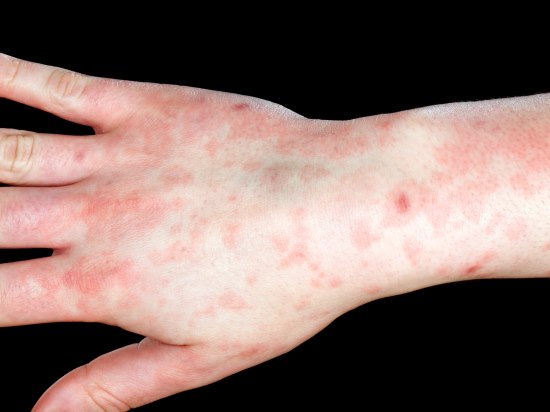
- a spotty rash on the chest, stomach and back – spots might look red on light skin or brown, purple or grey on dark skin.
Most people with glandular fever recover gradually. This might take several weeks. Rarely, glandular fever symptoms can last for months, especially the tiredness or general lack of energy.
Medical help: when to get it for children and teenagers with glandular fever
You should take your child to the GP if your child has:
- a sore throat that doesn’t improve after 5 days
- extreme tiredness that doesn’t improve after 1-2 days of rest
- swollen glands that remain swollen and/or painful for longer than a few days
- stomach pain that lasts longer than a few days
- yellowish skin or eyes (jaundice).
Also see the GP if you’re worried or have any other questions.
You should go to your nearest hospital emergency department or call 000 for an ambulance straight away if your child has extreme stomach pain.
You know your child best. If your child seems unwell, seek medical attention.
Tests for glandular fever
Your GP might decide to confirm glandular fever by doing a blood test on your child.
Treatment for glandular fever
There’s no specific treatment, cure or vaccine for glandular fever.
But you can treat the symptoms of glandular fever. This includes:
- managing pain and discomfort with paracetamol or ibuprofen in recommended doses
- making sure your child gets plenty of rest and drinks plenty of fluids.
Your child should avoid contact sports for at least one month after getting glandular fever. Contact sports increase the risk of rupturing or tearing the spleen, which might be enlarged from glandular fever.
Don’t give aspirin to children under 12 years unless it’s prescribed by a doctor. Aspirin can increase the risk of Reye’s syndrome, a rare but potentially deadly condition. If you’re giving your child any over-the-counter medicines, check with your pharmacist or doctor to make sure these have no aspirin.
Complications of glandular fever
Complications of glandular fever include hepatitis, meningitis and pneumonia. Complications are rare.
Prevention of glandular fever
If your child has glandular fever, encourage them not to share drinking containers or toothbrushes with other people. They should also avoid kissing people.
It’s important to have good personal hygiene, particularly hand-washing.
Your child can go to school and other places and activities if they feel well enough. You don’t need to keep your child at home to control the spread of glandular fever.