
How to spot poisonous plants and make your garden safe for kids
Supervising your young child is the best way to avoid danger in the garden, but this isn’t always possible. This means it’s very important to make the garden safe.
Start by getting familiar with poisonous plants. This way you can avoid growing any plants that might harm your child. You can also identify toxic plants already in your garden and either fence them off or remove them until your child is old enough to learn not to eat strange plants. This is usually around 3 years.
Gardens are generally safe and interesting places, and children often love spending time in them. But gardens aren’t always designed with children in mind, and young children might try to eat poisonous plants.
Highly poisonous plants: don’t plant them, or remove them from your garden
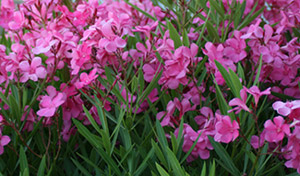
Common or pink oleander (Nerium oleander) and yellow oleander (Thevetia peruviana)
Every part of these plants, including the seeds, is poisonous. If eaten, these plants can cause dizziness, vomiting, diarrhoea, irregular heartbeat, dilated pupils, coma and death.
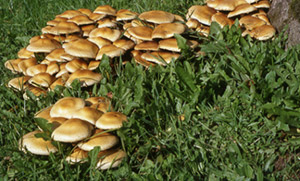
Mushrooms and toadstools
There are many poisonous species. Most of the poisonous species – like death caps and the red and white fly agaric – are found in forests and parklands rather than backyards. But it’s worth clearing all mushrooms or toadstools from your yard and garden until your child is old enough to know not to touch and eat them. If eaten, poisonous mushrooms can cause nausea, flushing, vomiting, diarrhoea and even death.
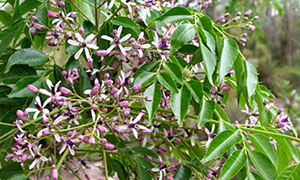
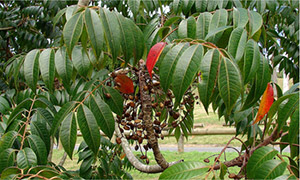
White cedar tree (Melia azedarach)
This is a native tree. Eating the fruits can cause nausea, vomiting, diarrhoea, tiredness, confusion, coma and seizures.
Poisonous but less dangerous plants: remove them, or fence them off in your garden
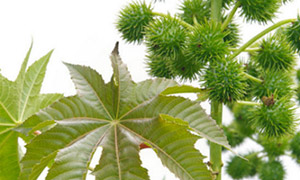
Castor oil plant (Ricinus communis)
This is a common weed with poisonous seeds, flowers and leaves. Chewing and swallowing a few seeds can cause severe nausea, vomiting, diarrhoea and stomach pain.
Coral tree (Erythrina genus)
The leaves, bark and seeds are poisonous. The seeds are particularly poisonous for children. If eaten, they can cause shortness of breath, weakness and light-headedness.
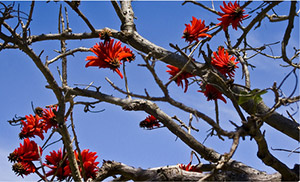
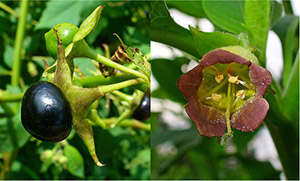
Deadly nightshade (Atropa belladonna)
The attractive, round, purple or black berries on this plant are highly poisonous. If eaten, these berries can cause drowsiness, skin discolouration, fever, vomiting, confusion and hallucinations.
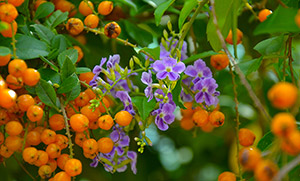
Golden dewdrop (Duranta erecta)
Also known as sky flower, this is a common weed with pretty but poisonous leaves and berries. If eaten, these parts of the plant can cause nausea or vomiting, drowsiness, convulsions, fast heart rate, fever and in some cases death.
Rhus or wax tree (Toxicodendron succedaneum)
Also known as poison ivy, this plant can trigger strong allergic reactions in many people, causing rashes, skin discolouration, itchiness and blisters over the course of a week or longer. Avoid contact, even contact with clothing or tools, or exposure to sawdust or ash from the plant. Wear protective clothing when removing the plant.
If you or someone in your care might have eaten a poisonous plant, immediately call the Poisons Information Centre on 131 126 for advice – 24 hours a day, 7 days a week, Australia wide. If you need to go to hospital, try to take a piece of the plant with you for identification purposes. It’s a good idea to keep the Poisons Information Centre number in your phone or on your fridge.
Harmful plants: treat with caution
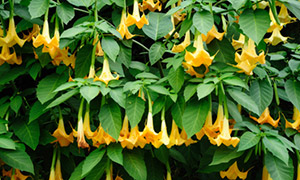
Angel’s trumpet (Brugmansia genus)
The flowers, seeds and nectar are poisonous. If eaten, this plant can cause skin discolouration and fast heart rate.
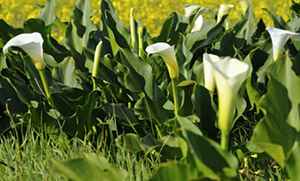
Arum lily (Zantedeschia aethiopica)
If chewed, all parts of the plant can cause irritation and mouth pain.
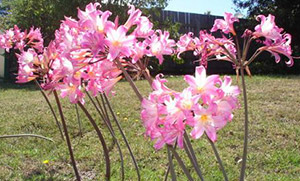
Belladonna lily (Amaryllis belladonna)
The sap and bulb are especially poisonous to children. If eaten, this plant can cause dilated pupils and fast heart rate.
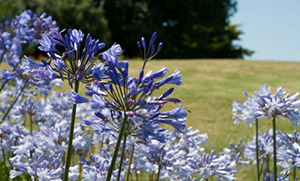
Bulbs
Bulbs include agapanthus, autumn crocus, clivia, daffodil, hippeastrum, hyacinth, lily of the valley, tulips and some irises. Bulbs can be poisonous. If eaten, they can cause nausea and vomiting.
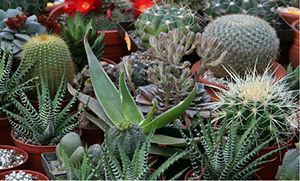
Cacti and other succulents (fleshy plants)
Children can cut themselves or injure their eyes on the spikes.
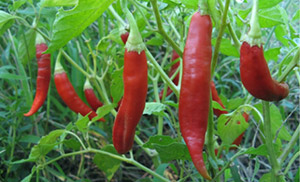
Chillies
If your child puts a chilli in their mouth or touches one then rubs their eyes, it could be uncomfortable or even painful.
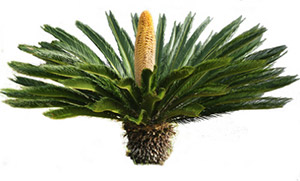
Cycads
The bright yellow and red seeds are used in bush tucker, but only after the toxins have been leached out. They’re poisonous if you eat them fresh from the branch. If eaten, the seeds can cause nausea, vomiting and weakness.
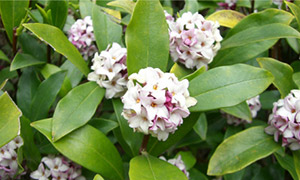
Daphne
All parts of this plant are poisonous, especially the attractive berries. If eaten, this plant can cause vomiting, diarrhoea and a burning sensation in the mouth or stomach.
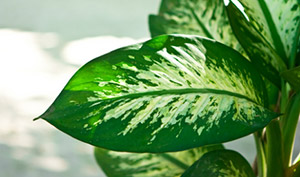
Dumb cane (Dieffenbachia genus)
If eaten, this plant can irritate the mouth and cause swelling.
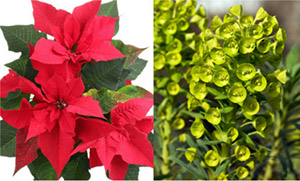
Euphorbia genus
The sap from these common plants can cause severe pain. The sap can also injure the eyes, although this is rare. Also known as spurge and milkweed, this genus includes Poinsettia, a popular Christmas plant.
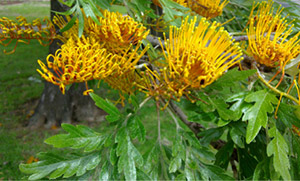
Grevilleas (especially ‘Robyn Gordon’ and Robusta)
Some grevillea species can trigger itching, skin discolouration and rashes if children have an allergic reaction on contact.
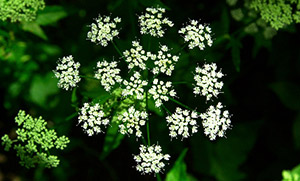
Hemlock (poison parsley) and water hemlock (cowbane)
These are commonly found poisonous plants. If eaten, these plants can cause nausea, vomiting, dilated pupils and skin discolouration.
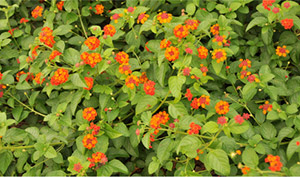
Lantana
If eaten, this flowering shrub, especially the green berries, can cause stomach pains, jaundice (yellow skin) and muscle weakness.
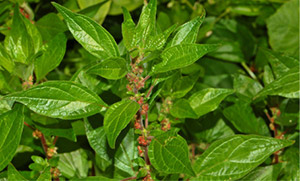
Sticky weed or asthma weed (Parietaria judaica)
Eating this plant can cause asthma attacks and skin allergies.
If you don’t know whether the plants in your garden are safe, ask your local nursery for advice. You can also get a list of poisonous plants from your nursery or local council. And to find out more about dangerous plants, visit the Queensland Poisons Information Centre.